back Back
Digitalization
Distribution network

Enhancing Power Line Inspections Through AI and Digitalization 

Completed

Description

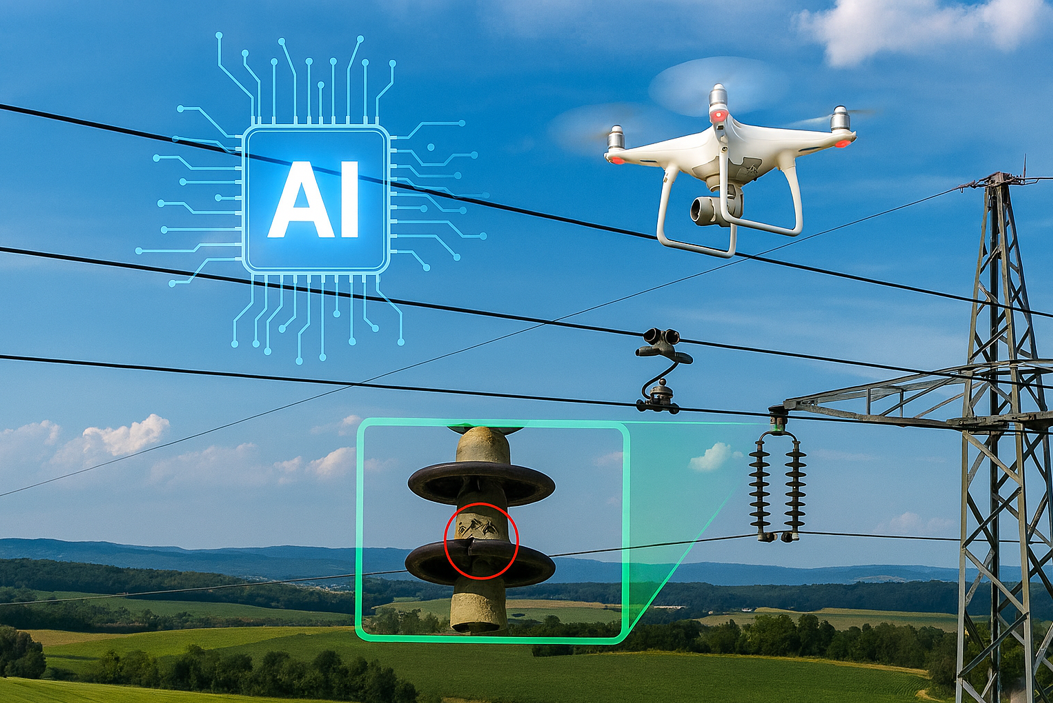
ESO and eSmart Systems collaborated on a pilot project to test Grid Vision®, an AI-driven platform for the digitalization and risk-based inspection of grid infrastructure. Using high-resolution images captured by drones, the solution provides a centralized asset repository of digital data and enables defect detection, consistent asset documentation, and data-driven decision-making.

The pilot covered nine 35 kV overhead lines across the Kaunas and Alytus regions, spanning 109 km and including 593 assets (concrete poles and metal towers). Through its SaaS-based Grid Vision® platform, eSmart Systems demonstrated how digital inspection technologies can streamline asset inspections, enhance visibility across the network, and lay the groundwork for scalable grid intelligence.

Problem

ESO aimed to modernize its inspection process by leveraging digital data to improve asset condition assessment and planning. Traditional inspections rely heavily on manual fieldwork, which can be inconsistent and resource intensive. The pilot sought to evaluate whether AI-driven virtual inspections could detect relevant defects on 35 kV lines with high accuracy and integrate seamlessly with ESO’s asset management systems.

Solution

Grid Vision® provides an AI-driven platform that automates inspections and transforms raw inspection data into actionable insights. It starts with high-quality data being collected, mostly by drones, which is uploaded to the cloud where AI models and human experts collaborate to identify anomalies, classify defects, and connect results directly to asset records.

For ESO, the pilot focused on:

  • AI-assisted detection on poles, cross-arms, conductors, fittings, and insulators
  • A review workflow linking findings directly to ESO asset IDs
  • Data exports designed to feed into GIS and maintenance systems

By enabling a digital and traceable inspection process, Grid Vision® shifts work from reactive to preventive leading​ to improvements in reliability,​ resiliency, and reductions in overall​ cost.

Status and progress

The pilot successfully validated the value of the end-to-end digital inspection process, confirming that AI-assisted inspections can deliver structured, visual asset data suitable for system integration and advanced analytics. It also identified the key development areas needed to scale impact across ESO’s network, including further model training, asset classification alignment, and workflow automation.

Lessons Learned

  • During the pilot, the AI-assisted tool detected several defects, around 30% of which were relevant to ESO’s 35 kV overhead lines. The coverage rate can be significantly improved by Adaptive AI ® technology and further training the model to recognize defects specific to ESO’s assets.
  • Capturing aerial views provides a more complete perspective of asset conditions, reducing the likelihood of missed defects and preventing unnecessary repeat work.

Next Steps

By continuing to train AI models on ESO-specific defects and automating data flows between GIS, MX, and Grid Vision®, ESO can significantly reduce inspection cycle times and improve consistency

With these enhancements, ESO is positioned to unlock the full value of grid digitalization, achieving faster insights, more accurate asset data, and a strong foundation for predictive and data-driven operations.