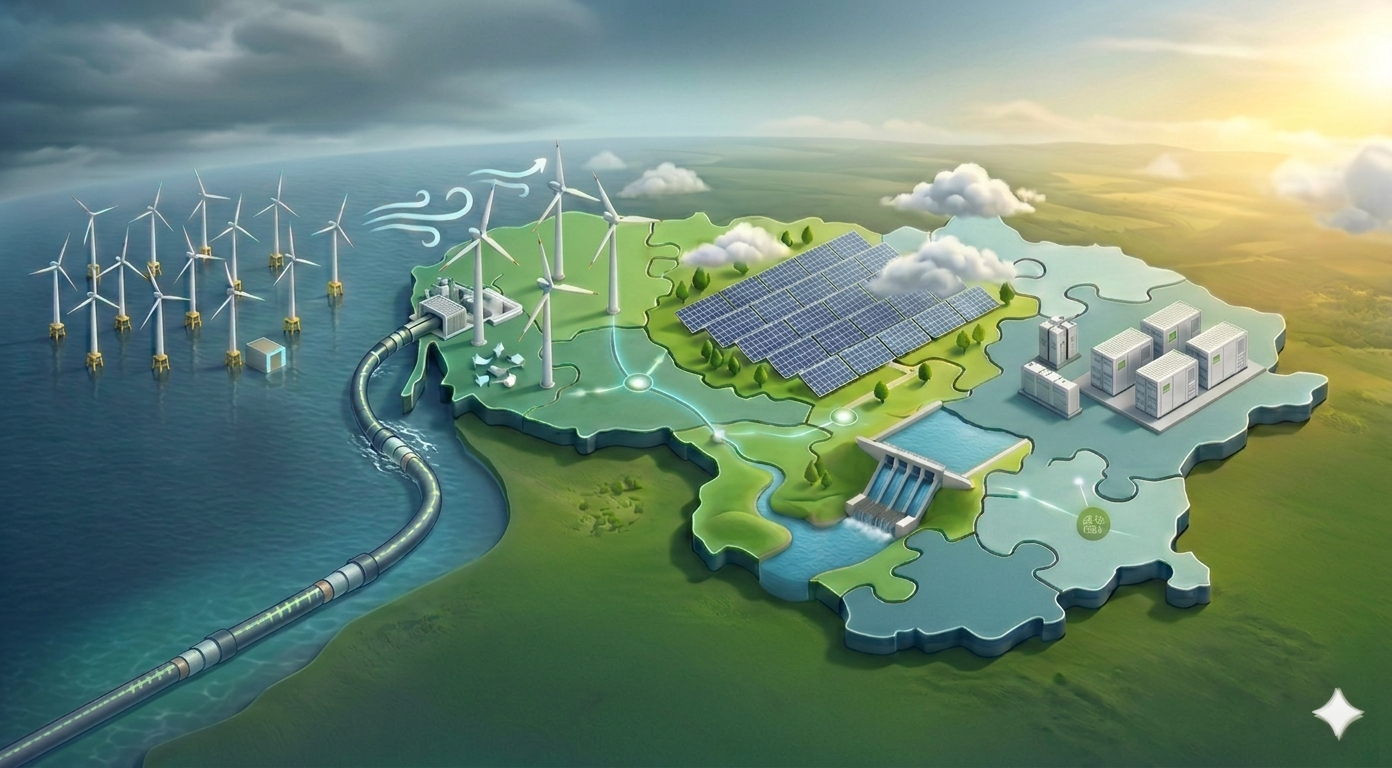
Navigating Intermittency. The unique energy puzzle of Lithuania
Green energy in Lithuania
Lithuania is rapidly expanding its renewable energy generation, significantly increasing its share in the total energy mix. A key player in this effort is Ignitis Group, with plans to boost its renewable power capacity to 4-5 GW by 2030. While other countries are also expanding their green energy capacities, and some have achieved 100% renewable energy generation, comparing Lithuania to these nations can be misleading.
The diverse nature of renewables
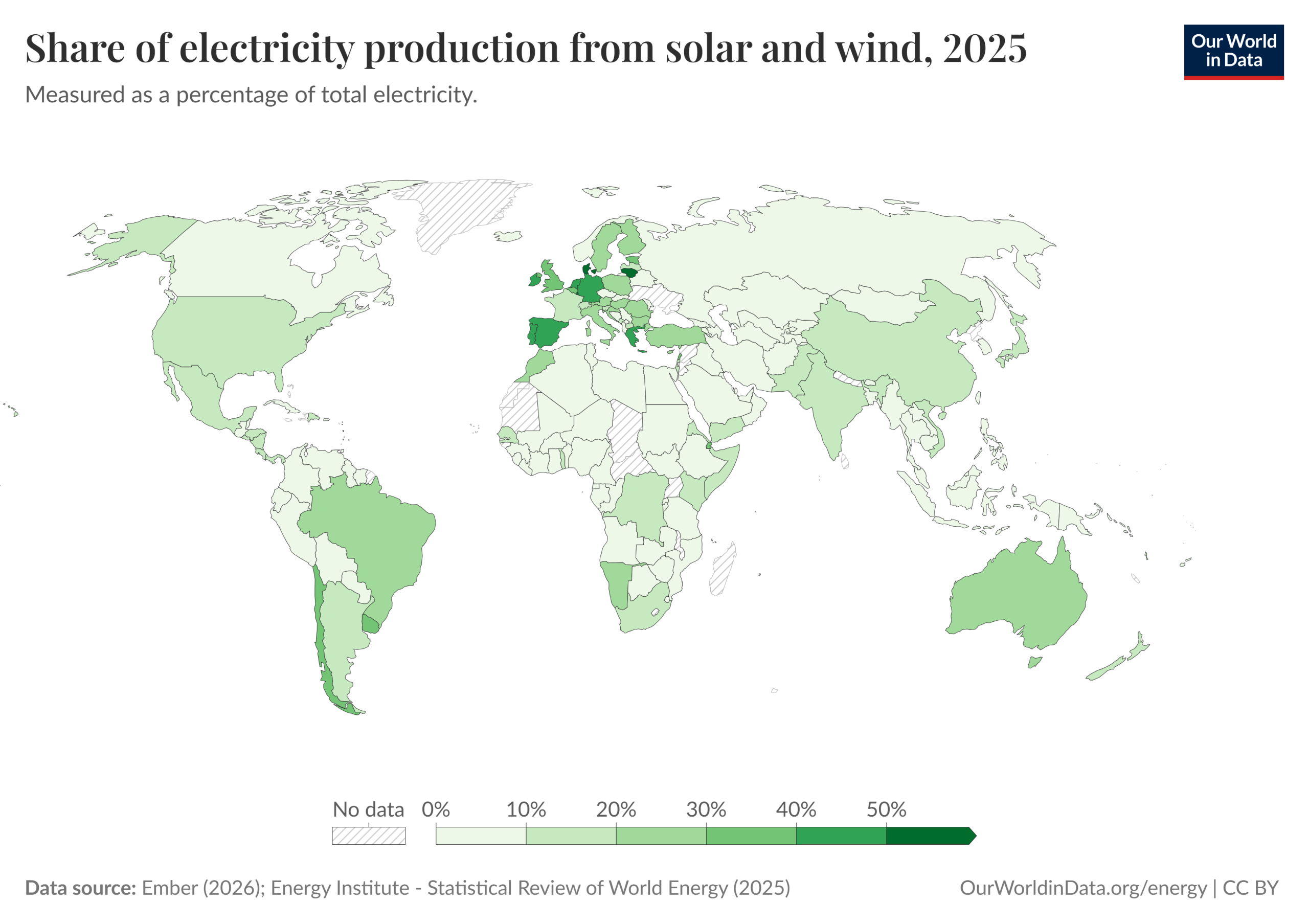
Renewable sources such as hydro and geothermal energy are relatively stable and reliable, offering controllability, ease of prediction and planning. Consequently, countries that achieve 100% green electricity have benefited from advantageous geographical locations that provide access to these stable resources. In contrast, wind and solar energy are highly intermittent, dependent on season and weather, and require more complex planning for an energy sector centered around them. Lithuania has embraced this challenge, ranking second in the world after Denmark in the share of electricity generated by solar and wind power, which reached 63.3% in 2025.
Intermittent energy challenge
The main challenge with intermittent electricity sources is their unpredictability and inconsistent output. Although the energy production capacity might appear sufficient to meet consumer needs on paper, days with overcast skies or calm winds will inevitably lead to energy shortages. Conversely, sunny and windy conditions can result in overproduction and curtailment risks. Fortunately, there are various strategies available to effectively manage these situations.
BESS and other storage solutions
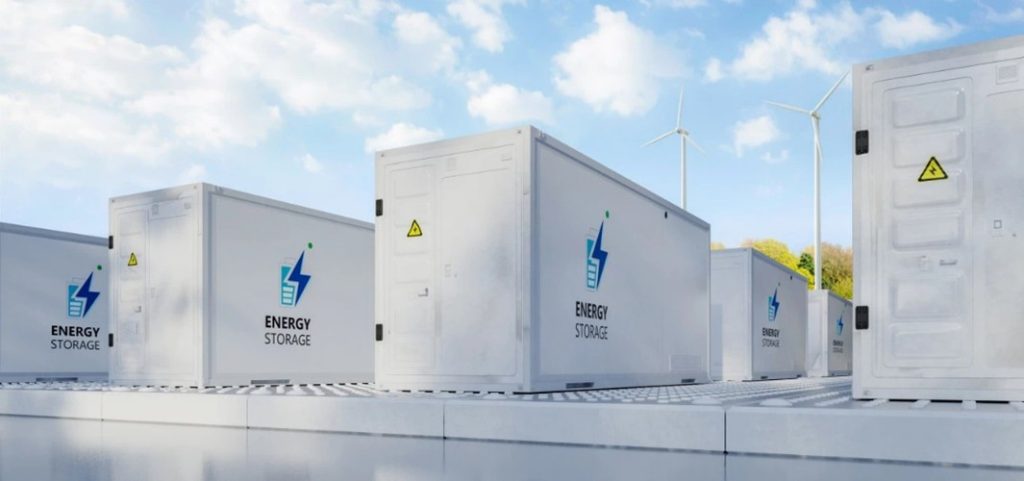
In discussions about wind and especially solar energy, the importance of batteries in balancing energy generation throughout the day is often emphasized. Currently, Lithuania’s Battery Energy Storage System (BESS) capacity is relatively small, but that’s set to change. Last year’s tender granted state subsidies for 4,000 MWh of BESS installations, signaling significant business interest and promising to help balance Lithuania’s unique energy generation structure. Ignitis participated in the tender and plans to build 582 MWh of BESS storage capacity.
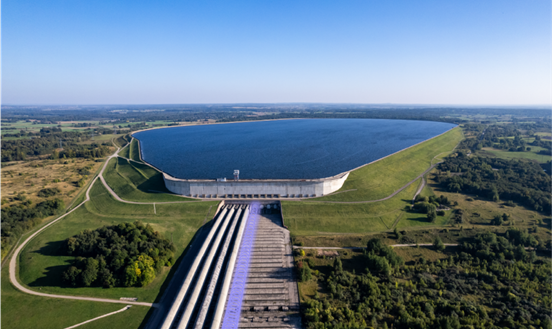
However, BESS is not the only storage technology employed. The primary tool currently used to balance Lithuania’s energy system is the Kruonis Pumped Storage Hydroelectric Plant (PSHP). With a maximum power capacity of 900 MW, it operates like a giant battery, charging when renewable generation is abundant and discharging when electricity production falls short of demand. An additional unit is planned to open this year, increasing total power capacity to 1,010 MW, enhancing the PSHP’s power and flexibility.
Beyond these established energy storage methods, Ignitis innovation and Power-to-X (P2X) teams are actively researching and evaluating new technologies, exploring various mechanical, thermal, chemical storage and hydrogen production solutions.
Interconnectors
A reliable energy system is hard to imagine without the support of neighboring countries. Electricity interconnections allow energy to flow from regions with surplus and lower prices to areas in need. The NordBalt link, for example, provides Lithuania with affordable renewable energy from Scandinavia when local production is low and electricity prices are high. Conversely, when Lithuania experiences an electricity surplus, it can export energy to its neighbors.
The key is establishing connections with regions that have different generation patterns or sources. If all neighboring countries experienced high or low electricity generation simultaneously, balancing the grid would be challenging, as identical issues would compound. Fortunately, countries rely on diverse electricity sources, and even when they share similar sources like wind and solar, generation can vary significantly between regions. Generally, greater distances between regions are beneficial. The proposed interconnector to Germany exemplifies this principle – despite Germany’s substantial wind and solar production, the geographical distance ensures low correlation in generation patterns, allowing both countries to help balance each other’s electricity needs effectively.
Offshore wind
Remember how Denmark was mentioned as a leader in wind and solar generation? They have a key advantage that simplifies things: offshore wind. While wind energy is generally more reliable than solar due to its year-round presence, offshore wind is stronger and more consistent than onshore wind. Integrating offshore wind into our energy mix could enhance the stability of renewable energy supply, making the entire system more predictable and reliable.
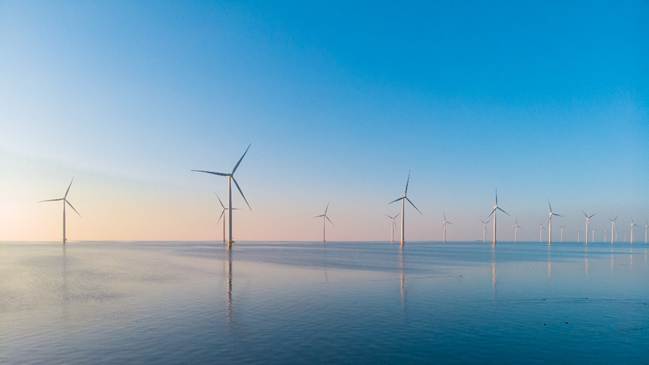
Ignitis “Curonian Nord” project is designed to produce green energy for major consumers like electrolysis plants, data centers, the arms industry, and others. Meanwhile, another proposed offshore wind park would be aimed at providing stable renewable energy to the general market, including regular consumers and businesses.
Smart consumption
Renewable energy intermittency can also be addressed without the need for costly storage technologies or extensive investments in offshore projects and interconnectors. A simple shift in our behavior and habits can make a significant difference.
Electricity prices follow a predictable daily pattern, peaking in the morning when people prepare for work and in the evening when they return home. These are typically the times of highest consumption. However, by being more aware of electricity prices, we can adjust our usage to periods when electricity is cheaper. Activities like charging electric vehicles in the afternoon or at night, preheating or precooling buildings, and running appliances such as dishwashers and washing machines during peak renewable energy generation can save consumers money and reduce grid stress. This approach benefits everyone, from individuals and businesses to distribution system operators and renewable electricity sellers.
Ignitis is contributing to this behavioral shift with its “EnergySmart” app, which enables users to monitor their load profiles, view real-time electricity prices, and access forecasts for the next day. This helps users plan their consumption to take advantage of cheaper electricity hours.
A multifaceted energy pathway
There is no single solution to the challenges posed by intermittent energy sources. Instead, a well-balanced approach that integrates various strategies offers the best chance for secure and sustainable renewable energy development. Our role is to carefully select the right components for this energy puzzle, placing them in the optimal position and timing to maximize their effectiveness.