Energy Trends 2026: Why This is the Year of "Green Flexibility" and Smart Energy Management
If years until 2025 were defined by the record-breaking acceleration of renewable energy deployment across Europe, 2026 and beyond will be defined by how we manage it.
We have successfully entered a new phase of the energy transition. We no longer need to prove that wind and solar are viable; the sheer volume of GW connected to the grid last year settled that debate. The critical challenge now facing utilities, TSOs, and innovators is intermittency at scale.
At Ignitis Group, our updated strategic plan emphasizes “Green Flexibility” as the cornerstone of a resilient future. We are moving beyond just generating green electrons to ensuring they are available exactly when and where they are needed.
Based on market signals, technology maturity, and our own venture capital activities, here are the three trends we believe will dominate the energy sector in 2026.
1. AI Moves from Chatbots to Grid Management
While generative AI dominated headlines over the last few years, we believe 2026 is the year AI gets its hands dirty in the physical infrastructure of energy at scale.
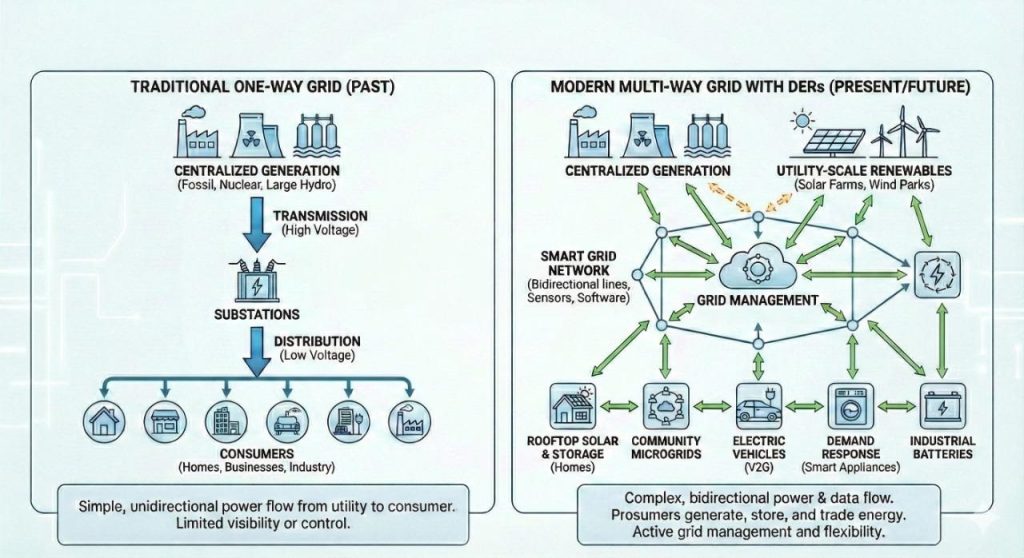
The modern grid is becoming exponentially more complex, moving from a one-way flow to a chaotic web of decentralized generation and consumption points. Managing this manually is impossible. We are seeing a surge in technologies that use machine learning not just to predict weather patterns for generation, but to actively protect and maintain physical assets.
We are particularly watching technologies that automate inspection and predictive maintenance. Drones equipped with computer vision, analyzing thousands of kilometers of power lines or turbine blades, are shifting utilities from reactive repairs to proactive maintenance. This is crucial for ensuring the resilience of distribution networks that are under tighter strain than ever before.
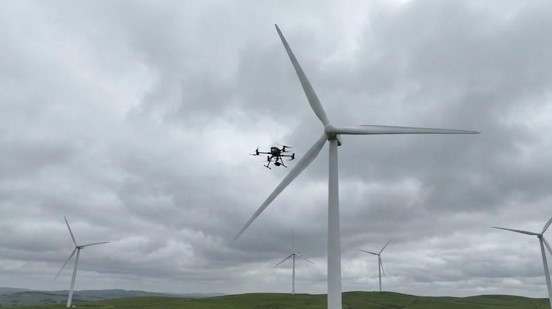
Ignitis Perspective: This reinforces our interest in companies which are automating the analysis of physical infrastructure to ensure grid reliability.
2. The Rise of Batteries and Virtual Power Plants (VPPs)
In 2026, the “duck curve”—the gap between midday solar generation and evening peak demand—is deeper than ever. The solution is no longer just grid-scale storage; it is decentralized flexibility.
This year, we expect battery adoption to hit a tipping point, driven by falling hardware costs and, crucially, smarter software. A home or C&I battery sitting idle is a wasted asset. The trend to watch is the aggregation of these distributed batteries (along with EVs and heat pumps) into sophisticated Virtual Power Plants (VPPs).
These platforms allow consumers to automatically monetize their devices by selling stored energy back to the grid during peak pricing events. For Ignitis, enabling this flexibility is vital. We aren’t just looking at customers as energy users, but as active grid partners who provide stabilizing services.
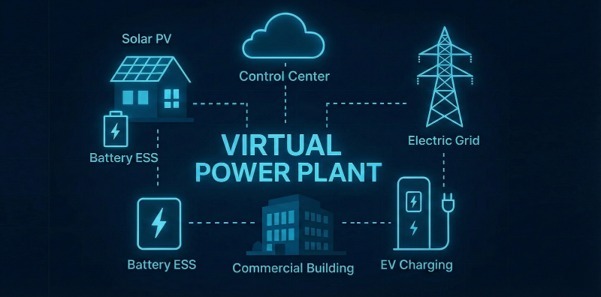
Ignitis Perspective: Companies like Beebop are at the forefront of this, turning disparate energy assets into a unified, flexible resource for the grid.
3. Data Centers Evolve into Energy Partners
The explosive growth of AI applications has created an unprecedented thirst for power in data centers. In 2026, the conversation is shifting from “how do we power them?” to “how do they integrate with the system?”
Data centers are unique energy consumers: they have massive, relatively constant loads, and they generate immense amounts of heat. The trend this year is moving toward symbiotic relationships between utilities and data center operators.
We are actively following developments in:
- Waste Heat Recovery: Piping excess heat from server racks into local district heating networks, turning a waste product into a municipal heating resource.
- Demand Response: Utilizing the uninterruptible power supply battery systems within data centers as short-term grid balancing assets during emergencies.
Data centers can no longer just be passive loads; in 2026, they must become active participants in grid stability.
The Year Ahead
The theme for 2026 is clear: intelligence over raw capacity. The hardware of the energy transition—the panels and turbines—is being deployed. The software, the flexibility markets, and the autonomous systems required to make it work together are where the greatest innovation opportunities lie today.
At Ignitis, we are actively looking for startups and partners who are solving these problems of flexibility and digital resilience. If your technology addresses these 2026 trends, we want to hear from you.